Chemical Etching
Metal Fabrication
RF/EMI Shields
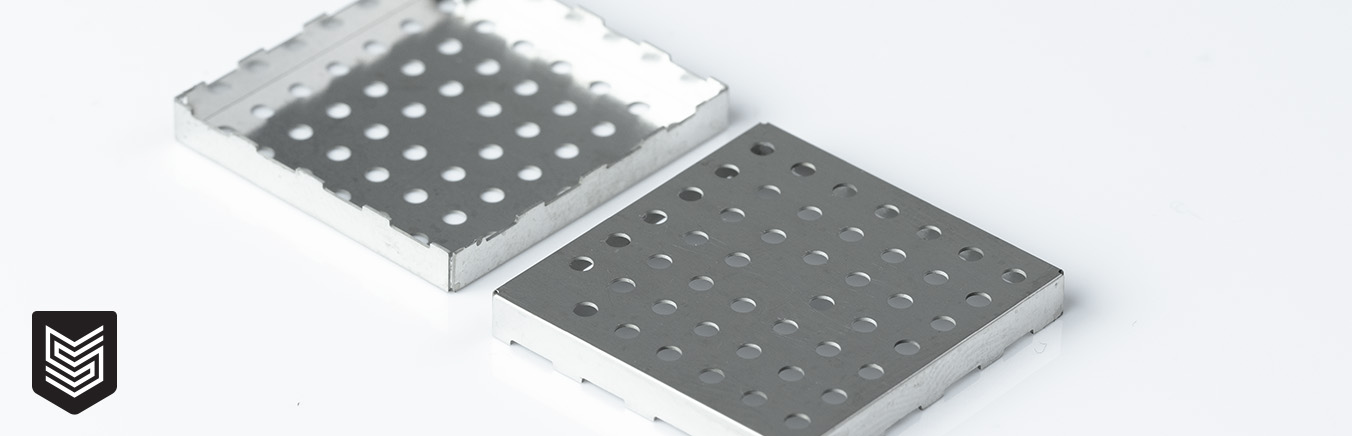
RF and microwave power amplifiers need more than fast semiconductors to run reliably. Transistors generate raw signal power, but internal precision metal parts control how that power behaves across frequency bands. The metal shields, grounding clips, shims, spacers, ventilated panels, and internal heat exchangers in the housing chamber of the device perform the work of providing electrical ground connections, managing thermal flows, regulating airflow, and shielding the device from noise disturbances. At microwave frequencies, mechanical shapes act like electrical circuit elements. A small physical gap or minor surface bump can ruin signal cleanliness, lower shielding effectiveness, or cause system failure.
Getting these internal metal parts right requires a clear understanding of how physical geometry, alloy selection, surface finishes, and manufacturing processes work together.
Material selection shapes heat removal and electrical performance inside an amplifier housing. Copper is the default choice when maximum electrical and thermal conductivity matter most. Brass machines cleanly and gives rigid structural support while maintaining good conductivity. Aluminum reduces total weight, making it ideal for air defense, radar, and portable systems with demanding thermal transfer requirements. Stainless steel can withstand extreme mechanical loads as well as difficult outdoor conditions. In situations where components have to maintain specific physical measurements despite extreme heat, special nickel alloys may be employed.
Plating transforms raw metal into an RF-ready component. At gigahertz frequencies, electrical current flows primarily along the outer surface of a conductor due to the skin effect. Plating controls contact resistance, surface losses, and long-term corrosion:
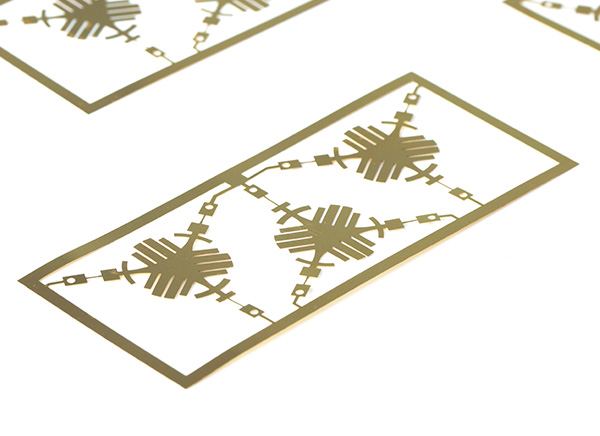 Mechanical Tolerances, Flatness, and Burr-Free Edges
At microwave frequencies, tiny mechanical flaws cause big electrical problems. Burrs along stamped metal edges create immediate risks. A raised burr on a shield cover holds mating surfaces apart, leaving microscopic gaps. RF signals leak right through those gaps. Raised burrs also concentrate high electric fields, creating points where electrical arcing can start under full power.
Flatness determines whether grounding components and shields actually work. Low-resistance grounding paths rely on continuous, uniform metal-to-metal contact across the mating chassis interface. If a shield warps or twists, contact pressure drops along the seam. Uneven contact increases transfer impedance and lets interference escape.
Thin metal shims and spacers solve internal stack-up issues inside cramped amplifier packages. They align active semiconductor devices, circuit boards, and heat sinks to tight mechanical tolerances. When made without built-in mechanical stress, thin shims sit completely flat. They hold critical signal paths aligned without putting physical strain on fragile substrate materials.
Shielding keeps unwanted energy contained. Internal EMI shields block noisy driver stages from interfering with sensitive low-noise circuits, while keeping outside signals out. A shield’s overall attenuation performance depends on metal conductivity, seam continuity, operating frequency, and physical aperture dimensions.
Power amplifiers create substantial heat during high-power operation. Airflow vents and perforated screen covers allow cooling air to move through while keeping electromagnetic fields inside. Screen geometry controls this balance:
Higher operating frequencies mean significantly shorter signal wavelengths. A vent hole pattern that blocks signals at 2 GHz might leak heavily at 28 GHz. Controlling hole sizes, slot lengths, and hole spacing keeps cooling performance high without compromising electromagnetic containment.
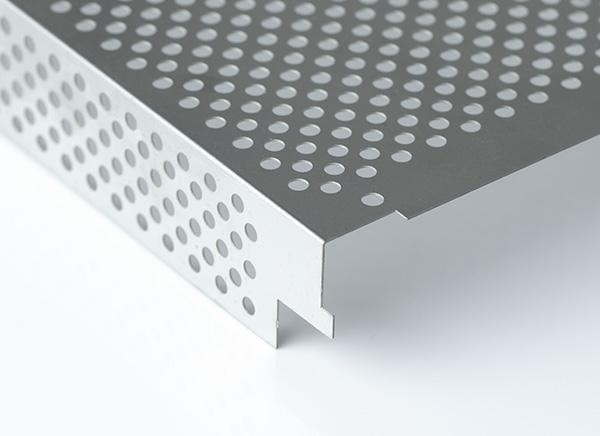 Manufacturing Precision via Photochemical Machining
Standard stamping and laser cutting struggle with thin, delicate RF hardware. In hard die stamping, enormous load is applied to the sheets of metal, putting pressure on the slender portions and producing a rough residue. Laser cutting utilizes heat, leaving heat-affected zones of the metal and molten waste on the cut edges.
Photochemical machining (PCM) operates on principles of chemical etching to dissolve any unnecessary part of the metal. Throughout the process, neither mechanical load nor heat is applied to the sheet. The chemical reaction leaves completely burr-free edges, preserves original temper, and keeps parts stress-free and flat.
PCM etches intricate features easily. Fine vent screens, complex grounding tabs, narrow circuit slots, and detailed outlines are etched simultaneously on a single sheet. Digital phototools replace expensive steel dies. If initial prototype testing reveals an RF vent hole needs to change size or a grounding tab needs repositioning, engineers simply update the digital artwork file. Revised prototype parts are produced in days, letting engineering teams test iterative revisions without long tooling delays.
RF component manufacturing is an established industry. Many engineering teams already understand how chemical etching works. In this competitive environment, basic manufacturing capacity is just the baseline starting point. Real value comes from direct engineering communication and responsive service behind the build.
Switzer gives product managers and design engineers direct access to experienced manufacturing and quality personnel. When drawing revisions, tight tolerance checks, or plating details need discussion, customers talk directly to the technical team making the components. Removing intermediate sales communication layers speeds up technical answers, helping busy project managers keep aggressive development schedules on track. Direct technical access matters in RF design, where minor drawing tweaks directly alter physical electrical performance.
Switzer also simplifies supply chain management for defense, aerospace, and commercial telecom programs. Demand schedules change quickly. Switzer offers flexible, demand-based inventory programs, producing and holding finished safety stock based on actual customer production forecasts. Customers pull parts when needed, cutting lead-time risk while keeping inventory lean.
Combining low-stress photochemical etching with direct engineering access and responsive inventory management helps RF power amplifier developers resolve hardware challenges and build reliable systems.

4020 Jeffrey Blvd. | BUFFALO, NY 14219
P: (716) 821-9393 / (800) 875-1093
Website by Luminus