Chemical Etching
Metal Fabrication
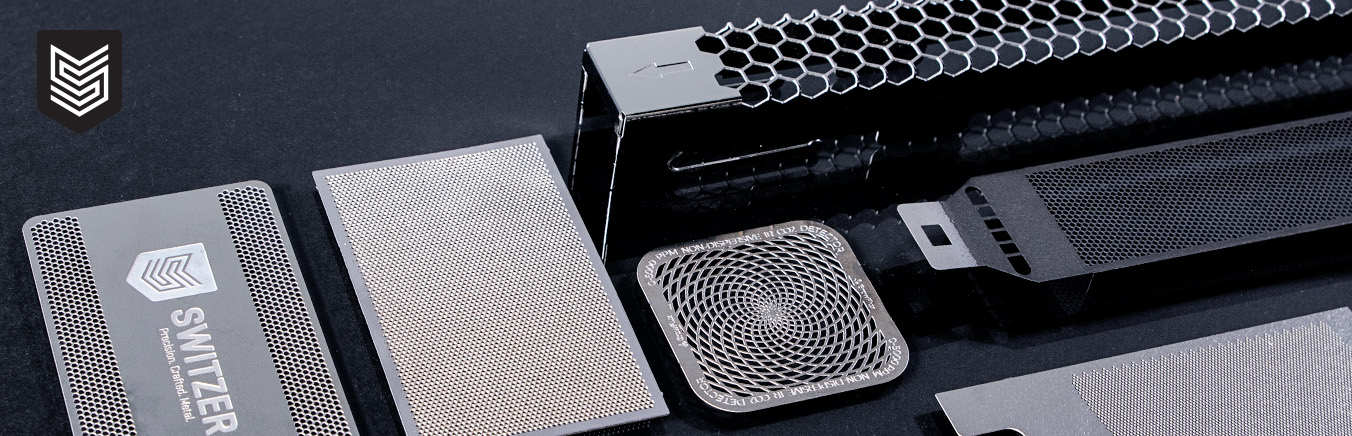
Photochemical machining produces precision metal components with tight tolerances and intricate features. In many applications, though, the etched part is not the finished part. Heat exchanger plates, hydrogen flow field plates, RF components, and filtration screens often require additional operations before they can perform as intended. These downstream steps define how a component conducts heat, carries current, seals against adjacent parts, or survives its operating environment.
Selecting post-processes early matters. It affects performance, yield, and scalability. Decisions made after the etching stage can improve reliability or introduce risk. For product engineers and program managers, understanding how post-processing interacts with photochemical machining is essential.
Secondary operations shape functional behavior. A plating choice can alter electrical resistance. A forming operation can introduce stress. Flatness correction can determine whether a seal holds under compression. These effects are not theoretical. They show up in testing, assembly, and field use.
Post-processing also affects cost at volume. Some operations scale cleanly. Others do not. Lead times can change. Scrap rates can rise if tolerances tighten too late in the program. Early alignment between part design, PCM capabilities, and downstream processes reduces surprises during production ramps.
Plating is one of the most frequently specified post-processes for photochemically machined parts. It is often driven by environmental exposure, conductivity requirements, or interface reliability. Because PCM produces burr-free edges and fine features, it pairs well with both electrolytic and electroless coatings.
The choice of plating influences more than surface protection. Thickness control affects tolerances. Adhesion impacts long-term durability. Some coatings support soldering or bonding. Others act as barrier layers between dissimilar metals.
 Common Plating Types
Not all applications require metal deposition. In some cases, surface chemistry or texture is the primary concern. These treatments modify the surface without adding significant thickness.
 Forming, Bending, and Structural Operations
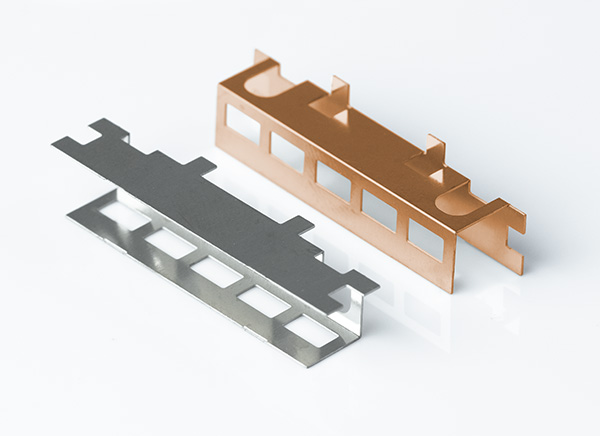
Photochemical machining produces flat parts. Many assemblies require three-dimensional geometry. Forming and bending operations allow etched components to integrate into housings, frames, or stacked systems.
Material selection and feature placement influence formability. Bend radii, grain direction, and plating sequence all matter. Performing forming after plating can risk cracking. Forming before plating may affect coating coverage. These tradeoffs must be evaluated early.
Some applications rely on multiple etched layers joined together. Flow field plates and microfluidic components often use stacked laminations to create internal passages.
Bonding methods include diffusion bonding, brazing, and adhesive joining. Each approach affects thermal performance, leak integrity, and long-term stability. Surface finish and flatness play a critical role. PCM supports these assemblies by producing repeatable layer geometry with consistent alignment features.
Flatness is critical in sealing applications. Even minor distortion can compromise compression seals or gasket performance. Thermal cycling, forming, and plating can all introduce warpage.
Flatness correction processes restore planarity. These steps are often overlooked during early design phases. Ignoring flatness until final assembly can lead to rework or part rejection.
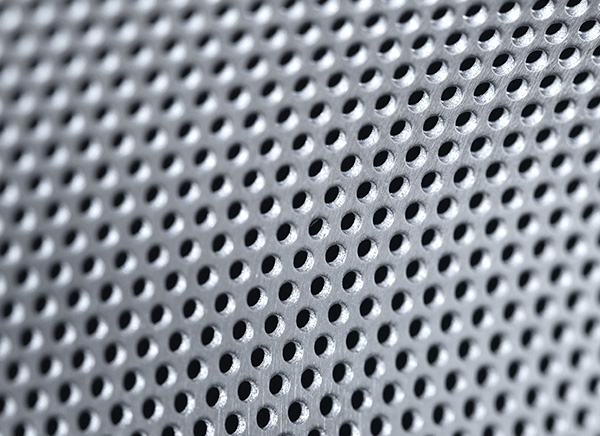
Electropolishing removes a thin layer of material to smooth surface asperities. It improves cleanliness and reduces friction in fluid-handling components. For filtration screens and flow plates, surface finish influences pressure drop and fouling behavior.
Surface finishing also affects cosmetic appearance. In visible assemblies, consistent finish quality matters. Electropolishing can improve both function and appearance without altering part geometry significantly.
 Micro-Deburring and Edge Conditioning
PCM produces parts without mechanical burrs. However, some applications require additional edge conditioning. Handling safety, assembly fit, and coating adhesion can benefit from controlled edge refinement.
Micro-deburring processes refine feature edges without damaging fine details. These operations are often specified for high-density patterns or thin materials.
Photochemical machining is highly compatible with secondary operations. Its low-stress nature preserves material properties. Fine features remain intact through plating and bonding. This makes PCM especially suitable for prototyping and early-stage development.
Selecting post-processes during concept development allows teams to validate performance sooner. It also supports smoother transitions from prototype to production. Decisions made early reduce downstream changes that affect cost and schedule.
In practice, experienced manufacturers evaluate post-processing as part of the overall manufacturing strategy. At Switzer, photochemical machining is paired with deep knowledge of secondary operations to support functional requirements from early development through production scaling.
4020 Jeffrey Blvd. | BUFFALO, NY 14219
P: (716) 821-9393 / (800) 875-1093
Website by Luminus