Chemical Etching
Etched Foil Heating Elements
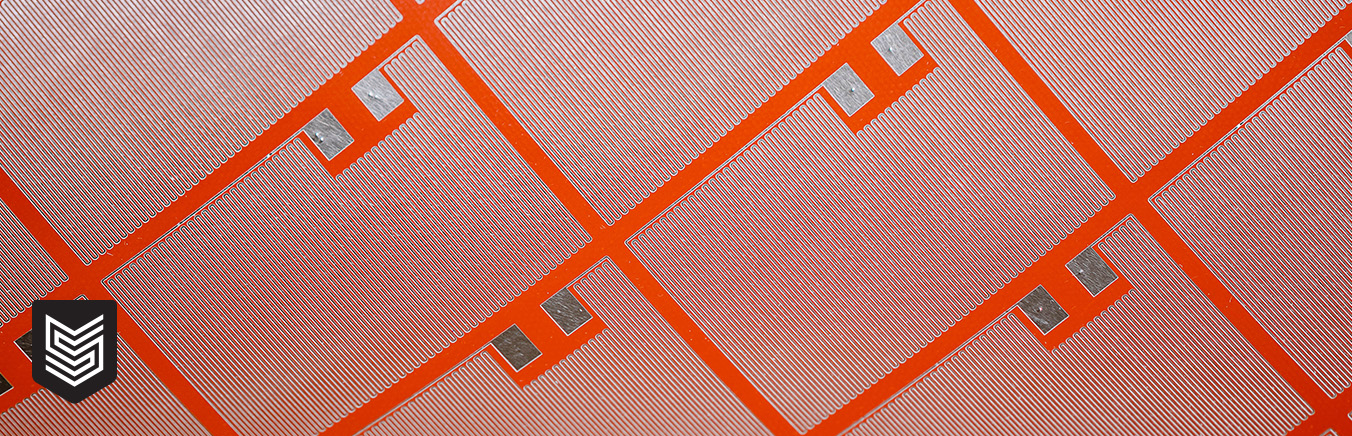
Engineering real-world products means dealing with varied physical spaces. Standard rigid heaters work well if you are dealing with a flat metal plate or a perfect cylinder. However, modern industrial design rarely sticks to simple shapes. Instead, you constantly face complex curves, tight internal packaging, and uneven surfaces. Forcing a stiff heating element onto an irregular shape creates air gaps. These pockets trap air and block heat transfer. The result is dangerous hot spots, uneven temperatures, and parts that fail prematurely.
Flexible heaters solve this problem directly. They wrap around, contour to, and fit inside highly constrained spaces. This tight fit gives you even heat distribution, rapid response times, and customizable watt density where traditional heaters fail. By etching flat foil circuits onto flexible films, you can clear severe space limitations without sacrificing performance.
Transitioning to flexible thermal systems unlocks a suite of physical benefits that rigid elements simply cannot duplicate.
The biggest reason to use a flexible heater is how it hugs a surface. When a heater does not make solid contact with a target component, efficiency plummets. Air is a terrible thermal conductor. Pockets of trapped air cause heat to back up into the element itself, burning it out while leaving the target cold.
Flexible heaters eliminate this issue completely. Because they are pliable, they match the exact profile of your part. This continuous contact maximizes thermal transfer. Heat moves instantly into the component instead of fighting through air. This creates a predictable, uniform thermal profile across the whole surface.
 Ultra-Thin Profiles and Low Thermal Mass
Space is a premium asset in modern product design. These flexible systems are incredibly thin, often measuring under a single millimeter. This low profile lets you slide a heater into tight assemblies where a rigid alternative simply would not fit. Adding a bulky traditional heater usually means rewriting your entire CAD model to clear space for surrounding components. Flexible options prevent that headache.
The thin nature of the products means that they have low thermal storage capacities. They do not require an initial amount of energy to heat up before providing heat to the room. Therefore, the system has the ability to adjust to sudden changes in temperature quickly, allowing for very rapid thermal response times and quickly reaching desired conditions.
Beyond thermal performance, flexible heaters simplify mechanical design. To install an electric heater that is not as modern as new, convenient standards, you will have to use installation hardware. You will need brackets, clamps, bolts, and spacers for the installation of the heater. All of these extra parts will add weight, volume, and time to your factory assembly process. They also create extra failure points under heavy vibration.
Flexible heaters do away with this hardware completely. You bond them directly to the target component using pressure-sensitive adhesives or liquid epoxies. The heater essentially becomes a permanent layer of the part itself. This lowers your total part count and slashes assembly time.
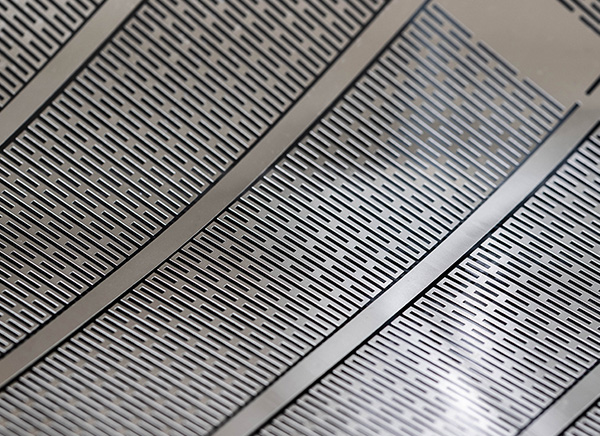
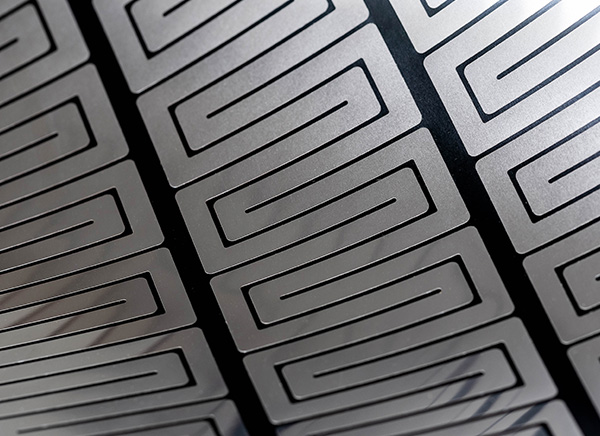
Getting uniform heat across an unusual shape requires smart circuit layout. Traditional wire-wound heaters can only do so much; you cannot easily change the wire spacing mid-run. Flexible heaters use photochemical machining (PCM) to etch flat metal foil circuits onto thin dielectric backing sheets. PCM gives you complete freedom with trace routing.
You can change the width and spacing of the traces across different zones of the same heater. This allows you to build custom watt densities into a single part. If the edges of your component run colder than the center, you can crowd the traces tighter at the perimeter to deliver more heat there. You get exact thermal control across complex shapes without wasting power.
Medical diagnostics and patient care demand strict temperature control on non-linear surfaces. Any thermal spike can ruin a lab sample or compromise patient safety.
 Real-World Applications: Aerospace and Defense
Weight and volume are critical constraints in aerospace. Components must survive harsh environments while remaining completely reliable.
Industrial automation requires rugged components that can run continuously without maintenance.
Controlling heat in tight, irregular spaces requires a shift in mindset. Rigid, bulky hardware forces you to compromise your design. Flexible heaters offer a thin, lightweight alternative that cuts out mechanical complexity while boosting thermal performance. Whether you are warming an IV line, clearing ice off a drone wing, or tuning a semiconductor wafer line, these components put the heat exactly where you need it. High-performance engineering works best when your components adapt to your design, not the other way around.

4020 Jeffrey Blvd. | BUFFALO, NY 14219
P: (716) 821-9393 / (800) 875-1093
Website by Luminus