Chemical Etching
Metal Fabrication
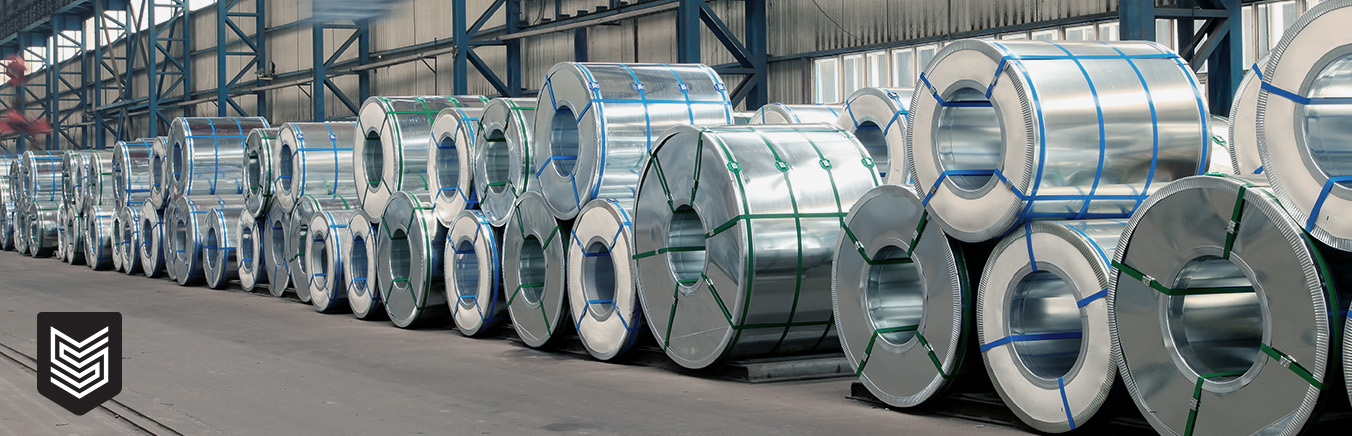
Material sourcing has become one of the most unstable variables in precision metal manufacturing. Stainless steel, copper, nickel alloys, and specialty metals face sharp lead-time swings. Pricing can shift in weeks. Allocation cycles tighten without warning. For product engineers and program managers, this volatility threatens timelines, cost targets, and performance requirements.
A structured material sourcing strategy reduces that exposure. It moves material planning from reactive purchasing to controlled risk management. In precision applications, this discipline protects program continuity and preserves technical intent.
Three recurring risks shape today’s supply environment: lead-time volatility, alloy substitution pressure, and coil format constraints. Each requires deliberate mitigation.
Mill capacity fluctuates. Large buyers receive priority during constrained periods. Global events can restrict exports or disrupt logistics. Even common grades of stainless steel or copper can move from standard lead times to extended allocation cycles.
Engineering teams often feel this impact late. A prototype moves to pilot production. Demand increases. Suddenly, the material lead time doubles. Procurement scrambles. Schedules compress. Mitigation begins with supplier diversification. Multi-source relationships reduce dependence on a single mill or distributor. This approach requires qualification of more than one supply path before a shortage occurs.
Strategic stocking programs add another layer of protection. For repeat alloys, holding inventory buffers against mill delays. This requires forecasting discipline. It also requires alignment between the manufacturing partner and the customer’s demand plan. Forecast-based planning strengthens the model. When customers share forward-looking requirements, material can be secured in advance. This shifts the risk window earlier in the program lifecycle.
Long-term supply agreements provide further stability when volumes justify them. They help lock allocation and smooth pricing exposure. For sustained production programs, this structure prevents reactive purchasing during peak market pressure.
At Switzer, these practices operate together. Multi-source supplier relationships reduce single-point risk. Stocking programs protect repeat alloys. Forecast collaboration improves material timing. Long-term agreements support continuity when appropriate. The objective is simple: protect engineering schedules from raw material instability.
Shortages often trigger substitution proposals. Distributors may suggest “equivalent” grades. On paper, the chemistry appears similar. In application, small differences matter. Minor chemistry shifts can alter conductivity in copper alloys. They can change corrosion resistance in stainless grades. They can affect strength, spring properties, or fatigue life in nickel alloys. For precision components, these differences propagate downstream.
Specification drift introduces hidden risk. A program may validate one alloy. Production may later run another under pressure. Performance variation appears months later. Root cause analysis becomes complex.
Controlling substitution requires discipline. Every material certification must be reviewed against the approved specification. Heat numbers must align. Chemistry and mechanical properties must fall within defined limits. A controlled substitution policy is critical. Alternate grades cannot move forward without engineering approval. That approval must evaluate functional impact, not just nominal similarity.
Traceability closes the loop. Full material traceability through production links each component batch to its source material. If performance concerns arise, the supply chain path is clear.
Switzer applies strict certification review and maintains a controlled substitution process. Engineering alignment occurs before any alternative is accepted. Traceability remains intact from the incoming sheet to the finished component. This prevents silent specification drift and preserves product integrity.
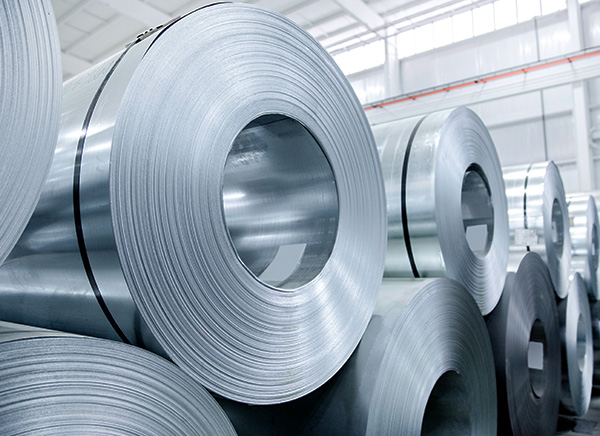 3. Coil Width and Format Constraints
Material format often receives less attention than alloy chemistry. Yet coil width and sheet format directly influence availability, cost, and yield.
Re-rollers slit master coils into commonly demanded widths. These widths follow market norms. Designs that rely on uncommon coil widths face structural disadvantages.
An uncommon width may require a special slitting run. That adds time. It may increase minimum order quantities. It may reduce the yield from each coil. It may extend lead times when mills prioritize standard formats.
Poor format planning also reduces material utilization. If part layouts do not align with standard coil widths, scrap increases. Material cost per part rises. This effect compounds during high-volume production.
Risk mitigation starts during design. Early conversations about coil format efficiency allow engineering teams to align geometry with standard widths. Small dimensional adjustments can dramatically improve yield.
Layout optimization further improves utilization. By planning part nesting around common coil widths, manufacturers extract more components per sheet. This reduces exposure to price fluctuations because less raw material is consumed per unit.
Switzer addresses this risk during program development. Engineering guidance incorporates awareness of common market widths. Part layouts are evaluated against material efficiency. Material usage planning maximizes yield per coil. These decisions reduce cost volatility and improve sourcing flexibility.
Process selection also influences supply chain risk. Photochemical Machining (PCM) offers structural advantages in material sourcing compared to processes dependent on bar stock or custom blanks.
PCM operates on flat sheet material. Sheet is widely produced across mills and service centers. It can be stocked efficiently. It can be cut into multiple-part geometries from a single sheet. Processes that require bar stock, extrusions, or custom preforms depend on more specialized supply streams. Those streams may carry longer lead times or tighter capacity constraints.
Sheet-based processing broadens sourcing options. If one supplier faces allocation pressure, alternative sheet sources may be available. This flexibility supports multi-source strategies.
PCM also supports rapid prototyping without custom hard tooling. Engineering teams can validate geometry using production-grade sheet material early in development. This reduces the gap between prototype and production material sourcing.
When paired with structured stocking and forecasting, PCM’s sheet-based approach enhances supply chain resilience. It allows strategic inventory management at the sheet level rather than at specialized blank or bar dimensions. For engineers managing risk across global programs, this flexibility matters. It decouples component development from narrow material formats. It simplifies alternate sourcing pathways.
Material sourcing risk cannot be isolated to procurement. It must be integrated into design, validation, and production planning. Early engagement aligns part geometry with market-standard coil widths. Material selection is validated against realistic supply conditions. Forecast visibility supports stocking decisions. Controlled substitution policies protect performance integrity.
When these elements operate together, supply chain volatility becomes manageable. Lead-time swings still occur, pricing still moves, and global disruptions still arise. But structured sourcing strategies absorb all of these shocks.
Switzer approaches material sourcing as a technical discipline. Multi-source supplier networks reduce allocation exposure. Strategic inventory protects repeat alloys. Engineering oversight prevents specification drift. Format optimization improves yield and availability. PCM’s sheet-based foundation broadens sourcing flexibility.
For product engineers and program managers, this framework transforms material sourcing from a reactive constraint into a controlled variable. In precision metal manufacturing, control safeguards both performance and schedule.

4020 Jeffrey Blvd. | BUFFALO, NY 14219
P: (716) 821-9393 / (800) 875-1093
Website by Luminus