Chemical Etching
Metal Fabrication
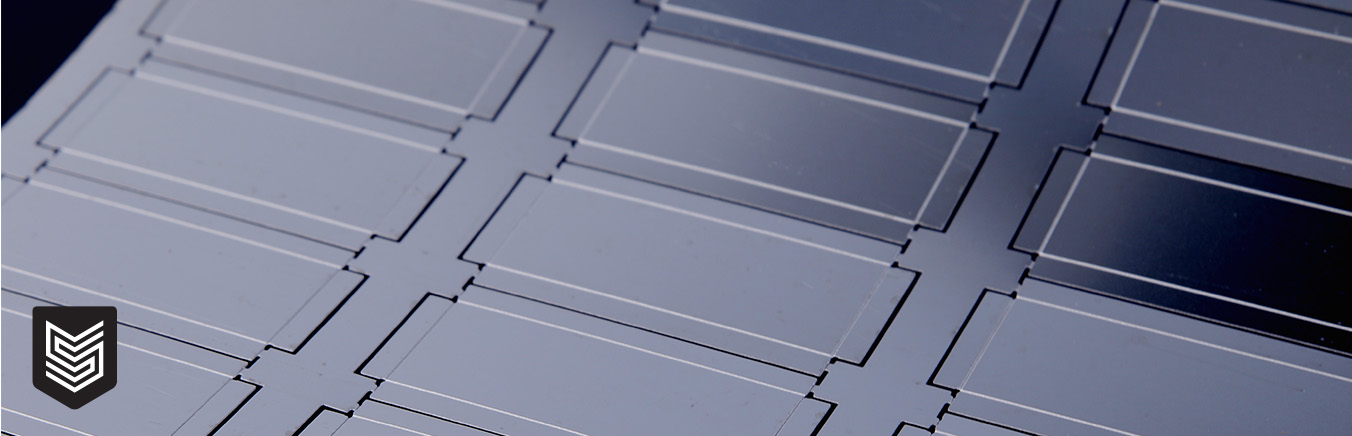
Photochemical machining gives engineers wide design freedom: fine features, sharp radii, and burr-free edges. But one factor shapes cost and performance more than most: how the part size fits on a production sheet. Get it right early, and yield, scalability, and throughput improve. Get it wrong, and waste and delays follow.
This decision isn’t cosmetic. Part and sheet dimensions interact with phototool repeats in ways that drive efficiency. The best stage to address it is during concept and prototyping, where engineering support can align function with a footprint that fits standard sheet stock and flows smoothly into production.
Below are five high-impact areas where part size determines outcomes.
Material is the largest PCM cost driver. How many parts fit on a sheet directly affects cost. That math begins with part length and width and ends with borders, fiducials, and kerf allowances.
Regular, divisible dimensions win. Parts that “tile” into standard sheet sizes (1.5″, 3″, 6″, and 12″ increments) consume more usable area and leave less scrap. Odd dimensions waste space, often by 15–25%.
A small adjustment can flip the equation. Reducing a part width from 6.5″ to 6″ can increase yield from four per row to six per row. That’s a 50% gain without touching functional geometry. Phototool repeat sizes and edge margins add further limits. Early checks against these rules avoid redesigns later.
Best practice: Size to the grid you will actually buy, and do it before the phototool is set.
Prototype sizing choices made for lab convenience may not hold at volume. A coupon on a benchtop sheet might fail to nest well on coils or full sheets used in production. If the prototype width conflicts with common coil dimensions, scaling requires new layouts, masks, and validations.
Lock a scalable footprint early. Even a 5% yield gain compounds significantly when tens of thousands of parts are ordered. Aligning prototype dimensions with production sheet options keeps the same masks in play, lowering risk and carrying process data forward.
Best practice: Validate prototype size against the exact stock and repeat the rules planned for volume. If it nests, it scales.
PCM rarely ends the process. Plating, heat treating, forming, and cleaning often follow. Each step brings its own limits: bath dimensions, rack spacing, oven clearance. A sheet that etches perfectly may not fit into a plating tank. A part too small may slip through the rack slots, forcing manual handling.
That can work for prototypes, but stalls at production. Carrier frames or breakaway tabs solve this by keeping small parts together through baths and ovens. Flat sizes must also account for bend allowances, so formed parts deliver consistent angles on volume tooling.
Size decisions touch logistics as well. Oversized plates often require custom crating, while smaller components can ship flat in bulk. These realities link directly to the first sizing choice.
Best practice: map the end-to-end process and confirm each step can handle the chosen sheet size.
 4) Cost and Lead-Time Implications
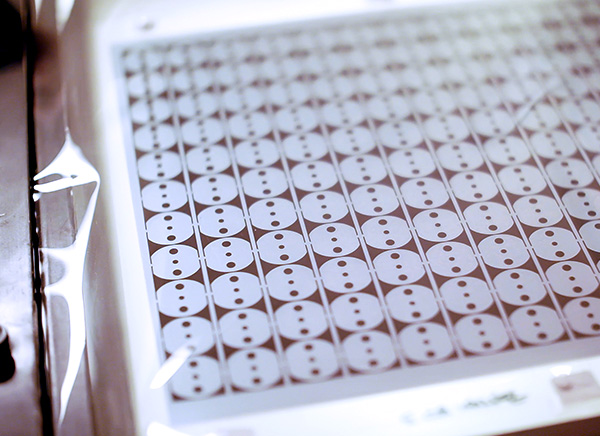
Cost and schedule tie directly to nesting efficiency. Fewer repeats per sheet means more setups, more handling, and longer runs. Better nesting cuts the number of sheets, trims labor, and shortens cycles.
Consider 1,000 parts requiring 20 sheets with an inefficient layout. Adjusting dimensions to allow denser nesting may drop the need to 15 sheets. That’s a 25% cut in sheet count, which carries through every stage, from etching to inspection to packaging. Material savings stack on top of time savings.
Lead time also benefits from stability. Right-sized parts reduce rework and scrap spikes that derail schedules. A footprint that fits the phototool repeat sweet spot and the material grid reduces the chance that the line stops to fix edge cases.
Best practice: Use sheet math to pull cost and days out of the plan before the first PO.
Suppliers stock certain alloys and thicknesses in standard sizes. Oversized parts often push jobs into non-standard sheets or coils. That adds cost and creates procurement delays.
Design for what the market carries because what works for ten prototype sheets may not work for ten thousand. If a design nests well on a 12″ × 18″ sheet, it taps into a common, readily available format. If it requires a custom 14″ width to work, the team now waits for mill lead times or pays premiums for special cuts. What works for ten prototype sheets may not hold for ten thousand.
Best practice: validate part and array sizes against stocked sizes at both the prototype and production suppliers. Keep the same grid if possible. That simplifies purchasing, planning, and qualification.
Sheet sizing is a lever with outsized impact in PCM. The right footprint boosts yield, supports scalability, simplifies handling, lowers cost, and shortens lead time. Most fixes are small, about half an inch here and a rounded dimension there, but the gains are substantial.
The takeaway is simple: involve manufacturing engineers early, validate part size against real sheet stock and process steps, and commit before prototypes harden. That foresight keeps programs on schedule and budgets in line, freeing engineers to focus on what matters most: performance.

4020 Jeffrey Blvd. | BUFFALO, NY 14219
P: (716) 821-9393 / (800) 875-1093
Website by Luminus